The Saturday Evening Rache
Confessions and stories and stuff
Table of Contents:
The Weeping Statue (Page iii)
Overheard in a Confessional (Page 12)
The Box (Page 17)
The Gallery (Page 24)
The Day Clint Eastwood Killed My Boyfriend (Page 31)
Snack (Page 33)
Family Time (Page 39)
The Outsider (Page 43)
Dirty Magic (Page 47)
Slut Hunter (Page 50)
God in the Alley (Page 56)
MSA (Page 58)
Improbable Rescue (Page 61)
Of Boys and Angels (Page 64)
The Second Coming (Page 72)
No codes are available (you kinda gotta take your chances - sorry)
All printed materials copyrighted 2010 Rachael Ross all rights reserved.
=-=-=-=-=-=-=-=-=-=-=-=-=-=
The Weeping Statue
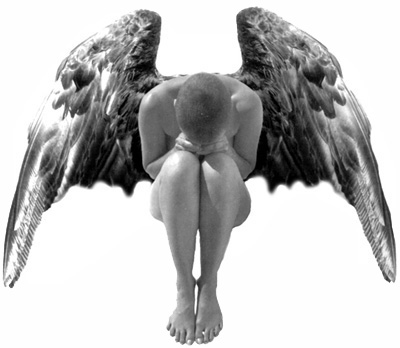
In the town of San Pita, near the plaza and below the bells of the old monastery, stood the weeping statue. It had been cut from a large stone pulled from the mountains and was very old. Sometimes the statue would cry and tears had worn the rock smooth. When the statue wept, the bells would be rung and all the people who lived in the town would come to see it and they would pray.
The weeping statue had been both famous and forgotten many times, until most recently when a young priest arrived to see the statue for himself. The town welcomed him and a made a room for the priest above a small canteen that served sweet breads and lechon, and smelled of the strong coffee brewed in the afternoons. Next door lived a maker of guitars and most often he would whistle all day long and play a new guitar every night.
After his morning prayers each day, the priest would go to the weeping statue and then he would return to the canteen. In his journal the priest would make a note of what he had seen.
"The statue does not weep today," he'd write and after a moment he would put his pencil down.
The guitar maker had a daughter who was very beautiful. Her hair was thick and black and she wore a yellow dress with a blue apron as she swept her father's shop. She had an affection for jewelry, for bracelets and bangles and the girl had a great many of them so that she would jingle softly when she moved. The sound of her made the priest look up and the sight of her made him smile.
The priest and the girl had grown fond of each other over the passing days and weeks. She would linger with her broom until the priest returned from the statue and then sweep for his pleasure. She tried to hide her eyes beneath her hair and the priest stroked his jaw to disguise his smile, and they would sit together every afternoon and drink coffee and talk.
Very often the girl would listen to the priest as he spoke of his many travels. At other times, she would tell him of the town and the people living there, leaning close to whisper gossip and blush at her mischief. Only rarely did they speak of the weeping statue, but one day the priest asked her about it.
"The statue will only weep when someone is born," the girl told him, "or when someone dies."
After many months had passed, the priest received a letter. He would have to leave soon. The statue did not weep and he had other duties in other places. He hid the letter and refused to speak of it with anyone. He spent his last few hours with the girl, smiling as she gave him her eyes and drank her coffee. Her hands would flutter and wave and the bangles and bracelets would jingle and mix with her laughter until the priest couldn't tell them apart. He told her of distant and wonderful places until the girl's imagination ran wild and she'd make up romantic adventures, sharing them eagerly while he listened and told her, "Just so, my dear...Just so."
The next morning the girl waited for the priest until her heart was broken and that night the statue wept for her.
rache